
Best Time to Visit Jamaica: Weather, Seasons & When to Go
The best time to visit Jamaica depends on what matters most to you: drier beach weather, quieter resorts, outdoor sightseeing, school-holiday dates or flexibility around tropical showers.
VoyaLure is an affiliate comparison website. Bookings and payments are completed directly with third-party providers. Read our affiliate disclosure.
Choosing when to visit Jamaica
Jamaica can be visited throughout the year, but no single period is ideal for every traveller. Weather is only one part of the decision: crowds, local events, school holidays, the part of the island you plan to explore and your tolerance for occasional rain all matter.
This guide describes broad seasonal patterns rather than promising particular conditions. Tropical weather varies between years and across the island, so check a reliable forecast close to departure.
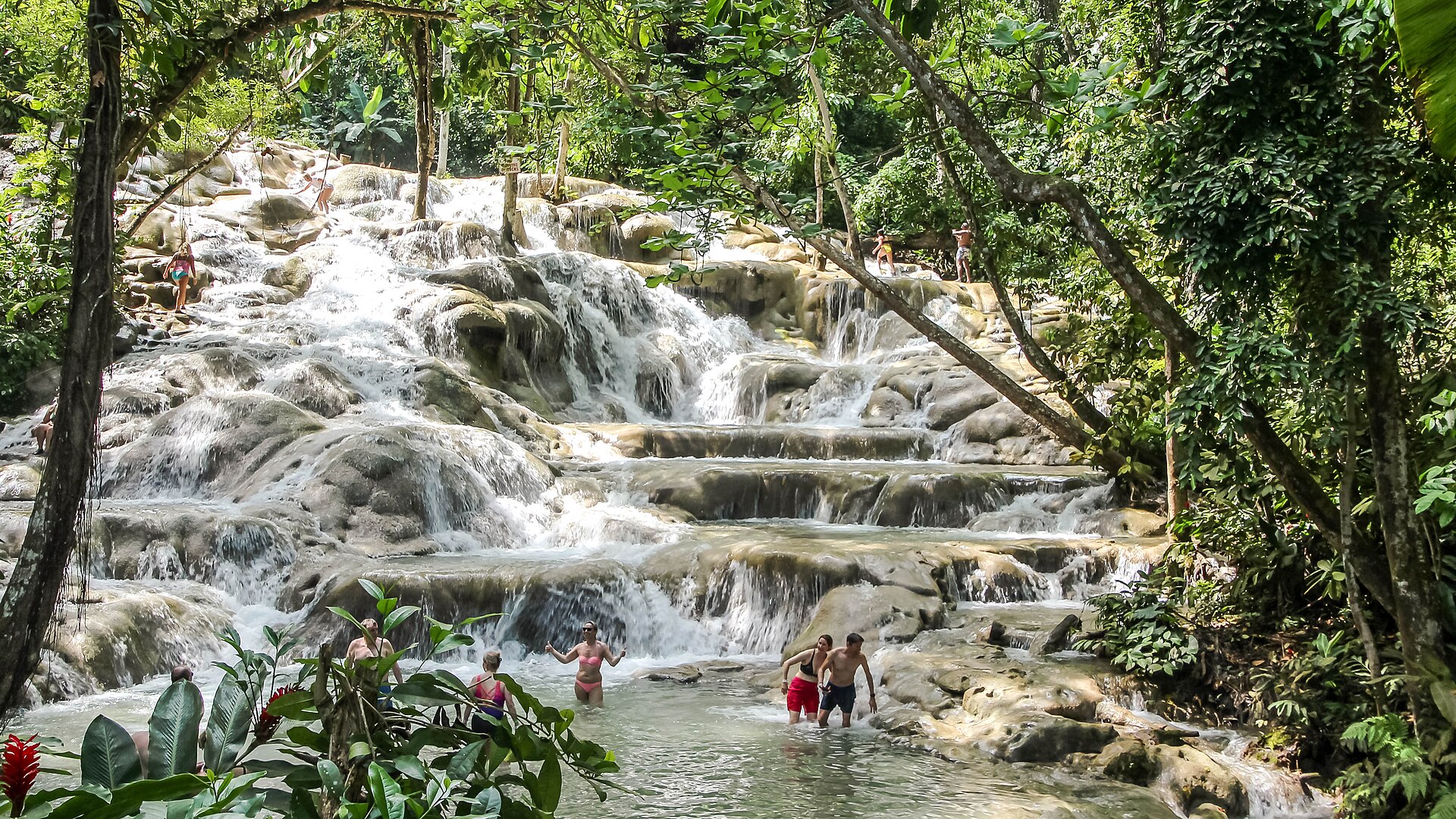
Jamaica weather overview
Jamaica has a tropical climate, with warm conditions throughout the year. Coastal areas tend to feel hotter and more humid, while higher ground—including parts of the Blue Mountains—can be cooler, particularly in the evening.
Sunshine and showers can occur in any month. Rainfall also differs by region: Jamaica’s terrain influences local cloud and rain, so conditions in Kingston, Montego Bay or the mountains may not be identical on the same day.
Dry season
The broadly drier period usually runs through the winter into early spring. Travellers often choose it for beach days and outdoor plans, which can make popular resorts and attractions busier. “Dry” does not mean rain-free.
Wetter months
Showers generally become more frequent around May and June and again from September into November. Tropical rain is often localised or short-lived rather than continuous, but prolonged wet spells remain possible.
Hurricane season: planning sensibly
The Atlantic hurricane season officially runs from June through November. This is a planning consideration, not a prediction that a hurricane will affect Jamaica during your trip.
- Choose flexibility: understand airline and accommodation change or cancellation terms before paying.
- Check insurance: read what the policy covers for severe weather, disruption and evacuation.
- Follow official guidance: monitor trusted weather services and local authorities near departure and while travelling.
- Avoid assumptions: a long-range seasonal outlook cannot confirm the conditions for particular holiday dates.
Best time for different types of Jamaica trip
Beaches
The drier winter-to-early-spring period is popular for beach-focused trips. Jamaica stays warm year-round, however, so travellers comfortable with a greater chance of showers can also enjoy the coast outside peak season.
Sightseeing and outdoor attractions
Drier conditions may make waterfalls, gardens, walking tours and countryside excursions easier to plan. For river, waterfall and hiking activities, always check recent rain, trail access and operator guidance.
Couples
Couples seeking lively resorts and dependable activity schedules may prefer the popular winter period. Those prioritising a quieter atmosphere can consider shoulder periods while keeping plans flexible for showers.
Families
School calendars often shape family dates more than season alone. Compare heat, rainfall, crowd levels and age-appropriate activities, and leave enough time between airport transfers and flights.
Quieter travel
Periods outside the winter peak and major school holidays are often less busy. Crowd levels still vary by resort, cruise schedules, festivals and local events, so check your chosen area rather than relying only on the month.
Jamaica by month
Use this overview as a starting point, not a forecast. Conditions vary by location and year.
January
Part of the popular drier winter period, with strong demand in many resort areas. Book key arrangements early if dates are fixed.
February
Often chosen for beach time and sightseeing. Popular locations can remain busy, especially around holiday dates.
March
Generally within the drier part of the year. Spring-break and Easter timing can affect crowds and availability.
April
Warm conditions continue, with weather often becoming more changeable as the month progresses. Easter dates can be busy.
May
Rainfall commonly becomes more frequent. Allow flexibility for outdoor plans rather than assuming every day will be wet.
June
Warm and often humid, with a greater chance of showers. The Atlantic hurricane season begins, so review flexible booking terms.
July
A warm summer-holiday month that can bring a mixture of sunshine and showers. Family areas may be busier during school breaks.
August
Hot, humid conditions are common. Keep outdoor schedules adaptable and monitor forecasts as part of hurricane-season planning.
September
Often a quieter and wetter period. It may suit flexible travellers, but severe-weather cover and change terms deserve close attention.
October
Rain and tropical-weather disruption remain possible. Check local conditions for hiking, waterfalls and road travel.
November
Conditions may begin transitioning towards the drier winter pattern, although hurricane season continues through the end of the month.
December
The popular winter season builds, especially over Christmas and New Year. Expect stronger demand around festive dates.
Where to go in Jamaica
Montego Bay
A major arrival point with resort areas, beaches and access to Jamaica’s north-west. Sangster International Airport is close to the city.
Negril
Known for its long west-coast beach and sunset-facing cliffs. Most international visitors transfer overland from Montego Bay.
Ocho Rios
A north-coast base for attractions including Dunn’s River Falls, gardens and river activities. Cruise-call days can affect crowd levels.
Kingston
Jamaica’s capital offers music, food, museums and access towards the Blue Mountains. Norman Manley International Airport serves the city.
For help choosing a base, compare Montego Bay, Negril and Ocho Rios. Once you know where you are staying, use the Jamaica Airports Guide to compare MBJ, KIN and onward transport. For wider planning, continue to the Jamaica travel guide and flight comparison hub.
Compare flights to Jamaica
Choose the guide written for your departure region, then use its existing live comparison search. VoyaLure does not sell tickets or guarantee routes, fares or availability; booking and payment take place with the selected provider.
Frequently asked questions
What is the best month to visit Jamaica?
There is no single best month for everyone. The drier winter period is popular for beach and sightseeing trips, while shoulder periods may suit travellers who prefer fewer crowds and accept a greater chance of showers.
What is Jamaica’s rainy season?
Rainfall generally becomes more frequent around May and June and again from September into November, although patterns vary by location and year. Showers do not normally mean continuous rain all day.
When is hurricane season in Jamaica?
The Atlantic hurricane season officially runs from June through November. A trip during these months does not mean a storm will occur, but flexible arrangements, suitable insurance and attention to official forecasts are sensible.
Is Jamaica warm all year?
Jamaica has a warm tropical climate throughout the year. Coastal conditions are usually warmer, while evenings and higher areas such as the Blue Mountains can feel cooler.
When is Jamaica least crowded?
Periods outside the winter peak and major school holidays are often quieter. Visitor levels vary by resort, event calendar and year, so check local dates before booking.